


 中文简体
中文简体Zoek op berichten
Kalender
Productcategorieën
Industrnieuws
 Door admin
Heavy Duty Pneumatic Drill Guide: Power, Safety, Selection and Maintenance
Op een drukke staalfabriek is er niet altijd elektriciteit op de plek waar gewerkt moet worden. Je hebt een stuk gereedschap nodig dat een 1/2-inch spiraalboor door een stalen balk kan duwen zonder dat het afslaat, en je hebt het nodig om vallen, stof en lange diensten te overleven. Dat is precies de reden waarom een zware pneumatische boormachine een onmisbaar onderdeel blijft in industriële omgevingen. Hij werkt op perslucht, levert een sterk draaikoppel en is niet afhankelijk van een elektromotor die oververhit kan raken. Of u nu boutgaten in constructiestaal boort, zware apparatuur onderhoudt of machines assembleert, een pneumatische boormachine biedt u consistente kracht, compacte afmetingen en eenvoudige bediening. Het doel van deze gids is niet om u ervan te overtuigen dat luchtoefeningen magisch zijn. Het is bedoeld om u een duidelijk, praktisch inzicht te geven in wat een zware pneumatische boormachine kan doen, waar u op moet letten als u er een koopt en hoe u hem in goede staat kunt houden. Ik zal het basisontwerp, de voordelen, de belangrijkste specificaties, echte toepassingen en de onderhoudsgewoonten die er toe doen doornemen. Uiteindelijk zou u met vertrouwen modellen moeten kunnen vergelijken en een hulpmiddel kunnen kiezen dat bij uw werk past. Een pneumatische boormachine voor zwaar gebruik is een roterend boorgereedschap dat wordt aangedreven door perslucht. In plaats van een elektromotor maakt hij gebruik van een pneumatische schoepenmotor die draait wanneer er lucht door het gereedschap wordt geperst. De motor drijft een boorkop aan, die de boor vasthoudt. Je regelt de snelheid door de trekker over te halen, waardoor de luchtstroom toeneemt of afneemt. Het gereedschap stopt wanneer u de trekker loslaat, hoewel sommige modellen een aparte gashendelvergrendeling hebben voor continu gebruik. Omdat de motor luchtaangedreven is, is het ontwerp eenvoudiger dan een boormachine. Er zijn geen wikkelingen, borstels of condensatoren die kapot kunnen gaan. De motor is kleiner en lichter dan een elektromotor met vergelijkbaar vermogen, waardoor luchtboormachines in compacte en ongebruikelijke vormen kunnen worden ingebouwd. Er is een heavy-duty versie gebouwd met versterkte behuizingen, geharde tandwielen en lagers die bestand zijn tegen langdurig gebruik in professionele omgevingen. Het principe is eenvoudig. Perslucht komt binnen via de luchtinlaat, passeert een door een trekker bediende klep en stroomt de motorkamer in. In de kamer duwt de lucht tegen schoepen die op een rotor zijn gemonteerd. De rotor draait en de rotatie wordt via een planetair tandwiel op de boorkop overgebracht. Uitlaatlucht stroomt naar buiten via poorten in de behuizing, vaak van de gebruiker af gericht om de werkplek schoner te houden. Heavy duty modellen hebben meestal een aparte regelaar of een geïntegreerde snelheidsregeling waarmee je de snelheid kunt afstemmen op het materiaal. Voor het boren in dun plaatmetaal is bijvoorbeeld een hogere snelheid met minder druk nodig, terwijl voor het boren in gehard staal een lagere snelheid met meer koppel vereist is. Een ervaren operator kan het verschil voelen en de trekkerdruk dienovereenkomstig aanpassen. Niet elke pneumatische boormachine verdient het label. Een zware pneumatische boormachine onderscheidt zich door drie factoren: Wanneer u winkelt voor een zware pneumatische boormachine, let dan evenveel op de interne onderdelen als op de buitenkant. Een goedkope boor kan snel ronddraaien als hij leeg is, maar verliest snelheid zodra de boor in staal bijt. Een kwaliteitsboormachine voor zwaar gebruik handhaaft het noodzakelijke toerental onder belasting, omdat de motor en het tandwielstelsel zijn ontworpen voor daadwerkelijk snijwerk. Als u langer dan een paar dagen in een industriële fabriek heeft gewerkt, heeft u waarschijnlijk zowel elektrische als pneumatische boormachines bij hetzelfde werk gezien. Ieder heeft een plaats. Maar bepaalde kenmerken van pneumatische boormachines maken ze bij uitstek geschikt voor zwaar werk. De meest voorkomende faalwijze van een elektrische boormachine is oververhitting. Wanneer u hard op een gatenzaag of een grote spiraalboor drukt, trekt de motor meer stroom, warmt op en activeert uiteindelijk een thermische beveiliging of verbrandt de wikkelingen. Een pneumatische motor gedraagt zich niet zo. Als je de motor afslaat door te hard te duwen, blijft de lucht stromen en stopt de motor gewoon. Wanneer u de druk verlaagt, start de motor opnieuw. Er hoeft geen warmtegevoelige wikkeling te worden vernietigd, waardoor een pneumatische boormachine herhaaldelijk kan worden overbelast zonder blijvende schade. Luchtmotoren zijn compact. Een 1/2-inch pneumatische boormachine voor zwaar gebruik kan minder dan twee kilogram wegen en tegelijkertijd meer koppel produceren dan veel elektrische boormachines met snoer. Dit maakt het gemakkelijker om de machine te bedienen in lastige posities en vermindert de vermoeidheid van de machinist tijdens lange reeksen repetitief boren. Perslucht is inherent vonkvrij. Pneumatische boormachines veroorzaken geen elektrische vonken en zijn daarom toegestaan in omgevingen waar brandbare dampen, oplosmiddelen, stof of explosieve atmosferen aanwezig zijn. Veel verfwinkels, chemische fabrieken en graanfabrieken gebruiken om deze reden pneumatisch gereedschap. De afgevoerde lucht kan er ook toe bijdragen dat spanen van de boor worden weggeblazen, waardoor de zichtbaarheid wordt verbeterd en het gat schoon blijft. Bij een elektrische boormachine is de snelheidsregeling elektronisch en kan abrupt of laggy aanvoelen. Bij een pneumatische boormachine wordt de snelheid geregeld door de luchtstroom van de trekker. Je hebt een onmiddellijk mechanisch gevoel voor de relatie tussen trekkerpositie en koppel. Dit maakt het gemakkelijker om een gat te maken zonder te lopen, om te verzinken zonder klapperen en om met hetzelfde gereedschap draad te tappen. De interne componenten van een pneumatische motor zijn eenvoudiger dan die van een elektromotor. Zolang de luchttoevoer schoon en gesmeerd is, kan een pneumatische boormachine duizenden uren draaien. Het vervangen van schoepen, afdichtingen en lagers is een eenvoudige klus. Veel industriële faciliteiten hebben een kleine set reparatieonderdelen voor pneumatisch gereedschap op voorraad en repareren een boormachine in minder dan een uur. Voor een dieper inzicht in de fysica achter deze duurzaamheid, vindt u het wellicht nuttig om ons artikel over te lezen waarom pneumatische boormachines zo efficiënt zijn . Voordat u pneumatische boormachines voor zwaar gebruik vergelijkt, moet u de specificaties begrijpen die bepalen hoe een boormachine zich in het echte werk gedraagt. Hetzelfde model kan compleet anders aanvoelen, afhankelijk van de grootte, snelheid, koppel en richting van de boorkop. Hier zijn de sleutelnummers die u moet controleren. De boorkopgrootte bepaalt de maximale schachtdiameter van de boor. De twee meest voorkomende maten zijn 3/8 inch en 1/2 inch. Een 3/8 inch boorkop is geschikt voor de meeste algemene boorklussen en houdt het gereedschap licht en compact. Een 1/2 inch boorkop accepteert grotere bits en wordt beschouwd als de standaard voor zwaar werk. Als u van plan bent gatenzagen of spiraalbits groter dan 1/2 inch te gebruiken, hebt u op een langzamere machine een boormachine met een 1/2 inch boorkop of een morseconusadapter nodig. Vrije snelheid is de rotatiesnelheid zonder belasting. Het vertelt je hoe snel de boormachine in de lucht zal draaien, maar het is niet de snelheid waarmee de motor het hardst werkt. De werksnelheid is de snelheid onder normale boorbelasting. Een hoog vrij toerental met een laag koppel kan misleidend zijn. Zoek naar boren die op de markt worden gebracht om te boren in plaats van om te schroeven; ze hebben meestal een geschikter snelheidsbereik. Koppel is the rotational force the drill can apply. Pneumatic drills do not always publish a torque rating in the same way as impact wrenches, but you can get a sense from the chuck size, gear ratio, and motor size. A heavy duty drill with a 1/2-inch chuck generally has more torque than a 3/8-inch drill. If the manufacturer provides a maximum torque value in newtons per meter or foot-pounds, compare drills at the same level of air pressure. Elke pneumatische boormachine heeft een minimale luchtdruk nodig bij de gereedschapinlaat. De meeste industriële boormachines werken bij 90 psi (6,2 bar). Het luchtverbruik wordt meestal uitgedrukt in kubieke voet per minuut (CFM) of liters per seconde. Een boormachine voor zwaar gebruik kan onder belasting tussen de 4 en 8 CFM verbruiken. Uw luchtcompressor en slangmaat moeten deze stroom kunnen leveren wanneer het gereedschap daadwerkelijk aan het snijden is. Een veelgemaakte fout is het gebruik van een kleine slang van 1/4 inch die de luchtstroom beperkt, waardoor de boor kracht verliest en de luchtmotor wordt verwarmd. Een omkeerklep zorgt ervoor dat de motor in de tegenovergestelde richting kan draaien. Dit is essentieel voor het terugdraaien van een kapotte boor, het verwijderen van een vastzittende schroef met een geschikt hulpstuk of het terugdraaien van een kraan. Sommige boren werken alleen in één richting, wat prima is voor eenvoudig boren, maar een omkeerbare pneumatische boormachine voor zwaar gebruik is veelzijdiger en meestal de extra kosten waard. Bekijk de onderstaande overzichtstabel om te zien hoe deze specificaties zich vertalen in echte machineconfiguraties. De waarde van een zware pneumatische boormachine wordt duidelijk wanneer u door een werkplaats loopt. Het is niet het gereedschap dat u één keer per week in een schone houtwerkkamer gebruikt. Het is het gereedschap dat op elke verdieping van een fabriek in de gereedschapskist blijft. Bij de vervaardiging van constructiestaal is het boren van gaten voor bouten, klinknagels en pennen een constante klus. Een zware pneumatische boormachine uitgerust met een bit met kobalt- of hardmetalen punt kan zacht staal, roestvrij staal en aluminium platen verwerken. Dankzij het hoge koppel van een 1/2-inch model kunt u zonder overmatige druk door platen van 10 mm of dikker boren. In een winkel waar al lucht beschikbaar is, is de pneumatische boormachine vaak de eerste keuze, omdat deze lichter is dan een magneetboormachine en gemakkelijker tussen de stukken kan worden verplaatst. Schepen, graafmachines en mijnbouwmachines zitten vol met staalconstructies die moeilijk toegankelijk zijn. In deze omstandigheden is een haakse pneumatische boormachine van onschatbare waarde. Wanneer je tussen schotten of dichtbij een hydraulische leiding moet boren, past een grote elektrische boormachine niet. Dankzij een haaks opzetstuk met compacte kop kunt u precieze gaten maken zonder de omliggende componenten te demonteren. Een operator die in een framerail werkt, kan bijvoorbeeld een gereedschap zoals de RH3302 haakse luchtboormachine met hoog koppel gebruiken om een boutgat te bereiken dat slechts een armlengte verwijderd is van een ander toegangspunt. In autowerkplaatsen worden luchtboren gebruikt voor het uitboren van gebroken bouten, het vergroten van gaten en het voorbereiden van panelen. Vooral de omkeerfunctie is hier belangrijk. Als een booroperatie het dunne plaatmetaal begint te scheuren, kan de operator snel achteruit rijden voordat er schade ontstaat. Een model met vooruit en achteruit, zoals de RH332 3/8-inch vooruit-achteruit-luchtboormachine, is een verstandig onderdeel van de gereedschapsset van elke monteur. Het is geen zwaar brute force-instrument; het geeft de machinist eerder de controle die nodig is voor delicate werkzaamheden aan de carrosserie van voertuigen. Construction and mining sites are dusty and often far from a reliable electrical supply. Pneumatic tools run directly from a diesel-driven air compressor, which is frequently already on site for jackhammers and tampers. In this environment, the durability of a pneumatic drill is a clear advantage. There are no cables to trip over, no batteries to recharge, and no exposed electrical parts that can short-circuit in wet conditions. A simple straight or pistol-grip drill can take a lot of abuse and still start immediately. Maintenance shops use heavy duty pneumatic drills for routine bolt removal, reaming, and thread repair. When combined with a tap holder, a reversible pneumatic drill can be used to cut threads in aluminum or cast iron. The ability to run at low speed and high torque by adjusting the trigger helps prevent tap breakage. The same tool can be fitted with a wire brush for cleaning bolt holes, making it a multi-purpose asset. Now that you understand the applications, the question is how to choose. The right drill depends on the material you cut, the space you work in, the air supply you have, and the number of hours the tool will run each day. Let me walk through the decision process in order. Ask yourself what size hole you drill most often. If the answer is usually 12 mm or less, a 3/8-inch chuck drill with a speed around 1800 rpm will cover most work. If you regularly drill 16 mm or larger holes, choose a 1/2-inch chuck model. Speed matters because too much speed burns small drill bits, and too little speed makes larger bits inefficient. A heavy duty pneumatic drill with a speed range of 500 to 2000 rpm is a good general compromise. The shape of the drill affects how you can use it. A pistol grip drill works well for most horizontal drilling. A straight drill gives you better alignment when drilling into a lathe center or a tight corner. A right-angle drill solves the problem of working in corners and between structural members. If your work area is cramped, include a right-angle model in your lineup. The RH338 3/8-inch right-angle forward-reverse air drill is one option that can fit where a straight drill cannot. If you ever have to drill into a blind hole or remove a broken bolt, you will regret buying a non-reversing drill. A reversible drill also lets you use a tap to clean threads, which makes it more valuable. The throttle should be progressive, allowing a smooth increase from slow to fast. A toggle throttle or lever throttle is more comfortable than a button throttle for long periods of work. Before buying any pneumatic drill, check the specification for air consumption. Your compressor must deliver enough flow at the required pressure. For a heavy duty 1/2-inch drill, a 5 hp compressor with a 10 cfm rating is a reasonable minimum if you use the drill continuously. The air line from the compressor to the tool should be at least 3/8 inch inside diameter. Use quick couplers rated for at least 90 psi, and keep the hose as short as possible to reduce pressure loss. Even the best drill is less useful if you cannot adapt it to different jobs. Check whether the chuck is keyed or keyless. Keyed chucks are more common on heavy duty tools because they hold the bit more securely under vibration. You may also need side handles for extra torque, depth stops for consistent hole depth, and adapters for hex shank bits. Many pneumatic drill kits include these accessories, so compare the included items when you evaluate price. When you are uncertain about which model fits your process, it helps to talk to people who make the tools. A pneumatic tool manufacturer can advise you on the right chuck size, speed, and handle style for your application. You can browse the complete range of industrial pneumatic tools and contact their sales team with your air supply details and typical material thickness. Buying a durable drill is only half the story. How you set up the air system, how you operate the tool, and how you maintain it determine whether the tool lasts five years or fifteen. Compressed air is not naturally clean or dry. Compressors draw in ambient air that contains moisture and dirt. That moisture settles inside the air motor and can cause rust on steel parts. Dirt acts as an abrasive and wears the vanes and bearings. Always install a filter-regulator-lubricator unit close to the tool. The filter removes particles, the regulator sets the correct pressure, and the lubricator delivers a fine oil mist to the motor. Check the filter bowl every week and change the element when it is dirty. Most heavy duty pneumatic drills are rated for a maximum of 90 psi at the tool inlet. Running the tool at 120 psi does not make it cut faster; it only accelerates wear and can damage the motor. If the drill feels weak, use a gauge to check pressure at the tool while it is running under load. A long, narrow hose will cause a pressure drop that could be the real reason for the loss of power. Increase the compressor output or use a larger hose before you consider replacing the drill. Pneumatic motors need clean, light oil. An inline lubricator is ideal, but if you do not have one, add a few drops of SAE 10 or pneumatic tool oil into the air inlet before each use and after every cleaning. The rotor vanes are the wearing parts. Over time, they become shorter and lose their seal against the rotor cylinder. When you notice a gradual loss of power or an increased air consumption at the exhaust, it is time to replace the vanes. Most drills have a simple end cap that allows you to inspect the motor without disassembling the gear housing. Even though a pneumatic drill has no electric spark, it can still throw debris and create a torque reaction if the bit binds. Here are the safety habits I recommend for every operator: When the workday is over, do not leave a pneumatic drill lying on a dusty bench. Disconnect the air line, wipe the outside, and blow out any dust from the air inlet. Store the tool in a dry place with the trigger released. If the climate is humid, add a few drops of oil to the air inlet and rotate the chuck a few times to coat the internal parts. This prevents rust from forming inside the motor during long periods of storage. Over the years, I have seen the same mistakes in every shop. Some are small, like using the wrong oil. Others are more serious, like running a drill without a filter. Here are the most common pitfalls and the straightforward fixes. A 1/4-inch air hose is fine for a small nailer, but it will strangle a heavy duty pneumatic drill. When the drill draws high airflow, the hose pressure drops, the motor loses torque, and the tool feels weak. Install at least a 3/8-inch inside diameter hose for a 3/8-inch drill, and a 1/2-inch hose for a 1/2-inch drill. The closer the regulator is to the tool, the better. Water in the air line is the fastest way to kill a pneumatic drill. It washes away lubrication, rusts the rotor, and causes the vanes to stick. A short drop from the compressor to a tank drain, followed by a refrigerated air dryer, is the best solution. At minimum, drain the compressor tank every day and use a water separator in the supply line. Some operators think the drill is self-lubricating because the air feels oily. It is not. Pneumatic motors rely on a thin oil film between the rotor and the vanes. Without oil, the vanes wear out in days. Set up an automatic lubricator with a light oil specifically designed for air tools. The typical rate is two to three drops per minute, which is barely visible in the exhaust. A dull bit demands more force, causing the drill to bind and the chuck to slip. The result is often a broken tool or a ruined workpiece. Replace or sharpen drill bits when they no longer make clean shavings. You can identify a sharp bit by the continuous chips it produces, not powdery dust. Cobalt bits and carbide-tipped bits last longer on steel and are worth the higher price for heavy duty applications. When a large drill bit suddenly catches on an edge, the drill can twist sharply in your hands. This is especially dangerous with a powerful motor and a rough surface. Use a side handle and keep both hands on the tool. Set the drill to a lower speed when starting into an uneven surface. Once the bit is fully engaged, increase the speed gradually. There are pneumatic drills at very low prices, and they fail quickly under heavy duty use. The difference is not only in the motor. Gear quality, chuck precision, and the strength of the throttle valve all matter. A heavy duty pneumatic drill that is cheaper because it is made with thin castings will crack near the chuck under repeated side loads. Instead, compare the weight, the material of the housing, and the warranty. A slightly higher purchase price is usually cheaper than replacing a tool every few months. A heavy duty pneumatic drill is not a glamorous tool, but it is one of the most dependable workhorses in any workshop. It gives you high torque in a compact body, runs without electrical hazards, and can withstand stalls that would destroy an electric motor. The key is to choose the right chuck size, speed, and handle configuration for the work you do, and then to feed it with clean, properly regulated, lubricated air. If you are adding to a pneumatic tool fleet or replacing an old drill, evaluate the reversing feature, the durability of the chuck, and the ergonomics of the throttle. Use your compressor capacity as a budget constraint, and do not forget the filter-regulator-lubricator unit. With the right setup, a heavy duty pneumatic drill will serve you for many years and hundreds of thousands of holes. Take the extra step to buy from a supplier who understands industrial pneumatic tools and can support you with spare parts and technical guidance. That kind of support makes the tool itself more valuable. When the drill is matched to the air system and used with sharp bits and good lubrication, it becomes the tool you trust for the toughest holes in the shop. Wat is precies een zware pneumatische boormachine?
Hoe het werkt
Wat maakt een pneumatische boormachine tot ‘zwaar gebruik’?
Waarom kiezen voor een pneumatische boormachine voor zwaar werk?
Geen burn-out van de elektrische motor
Hoge verhouding tussen vermogen en gewicht
Schoner en veiliger in gevaarlijke gebieden
Eenvoudige snelheids- en koppelregeling
Eenvoudig onderhoud en lange levensduur
Belangrijkste prestatiespecificaties die u moet begrijpen
Chuck-maat
Vrije snelheid en werksnelheid
Koppel
Luchtverbruik en vereiste druk
Omkeerfunctie
Configuratie Chuck-maat Typisch snelheidsbereik Beste gebruik Pistoolgreep 3/8 of 1/2 inch 500 - 2200 tpm Algemeen boren, onderhoud, ruwbouw Recht 3/8 inch 1200 - 2400 tpm Precisieboren, gereedschapskamer, lichte productie Rechte hoek 1/2 inch 300 - 1200 tpm Kleine ruimtes, hoog koppel, werken in kleine ruimtes Omkeerbaar 3/8 of 1/2 inch 0 - 1800 tpm Tappen, gebroken stukjes eruit halen, multifunctioneel Toepassingen in de echte wereld: waar een zware pneumatische boormachine zijn geld verdient
Staalconstructie en fabricage
Scheepsbouw en onderhoud van zwaar materieel
Autoreparatie en montage
Mijnbouw- en bouwplaatsen
Maintenance and Repair Shops
How to Select the Right Heavy Duty Pneumatic Drill for Your Shop
Start with the Chuck Size and Speed
Consider the Handle and Body Layout
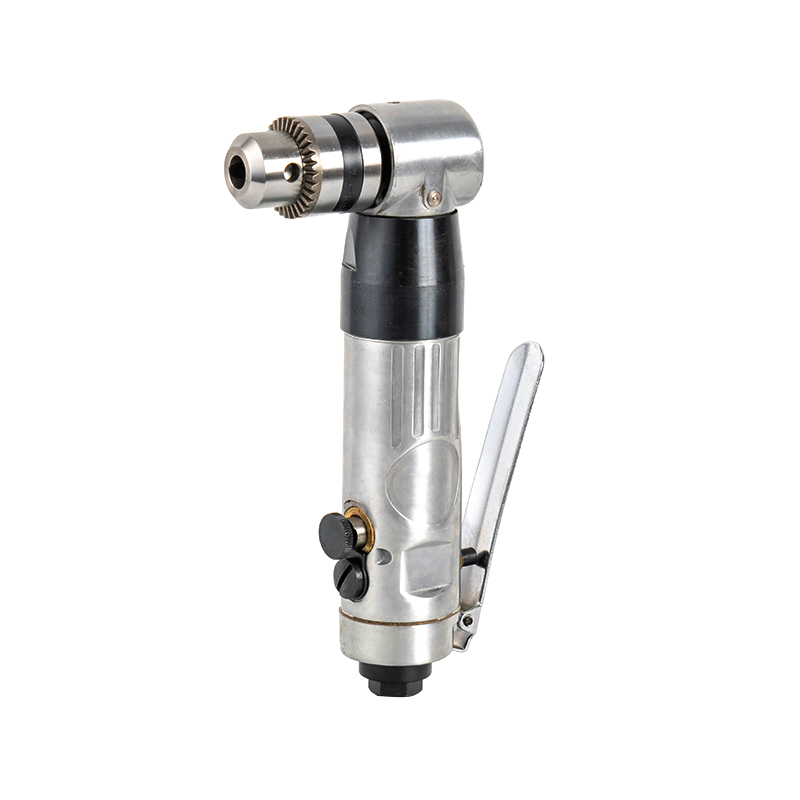 Custom RH-338 3/8 Right Angle Forward Reverse Gas Drill Suppliers, Factory - Nin Ningbo Haishu Renhao Pneumatic Co., Ltd is China custom RH-338 3/8 Right Angle Forward Reverse Gas Drill Suppliers and OEM/ODM RH-338 3/8... View Product →
 Evaluate the Reversing Valve and Throttle
Match the Air Supply
Plan for Accessories
Use Your Supplier’s Expertise
Getting the Most from Your Pneumatic Drill: Setup, Safety, and Maintenance
Air Preparation Is the Most Important Step
Correct Pressure Settings
Lubrication and Vane Replacement
Safe Operating Habits
Storing the Tool
Common Missteps and How to Avoid Them
Using an Undersized Air Hose
Ignoring Water in the Air
Running Without Lubrication
Using Drill Bits That Are Too Dull
Forgetting the Safety Torque Reaction
Buying on Price Alone
The Bottom Line: A Workhorse That Still Makes Sense
Aanbevolen producten
-
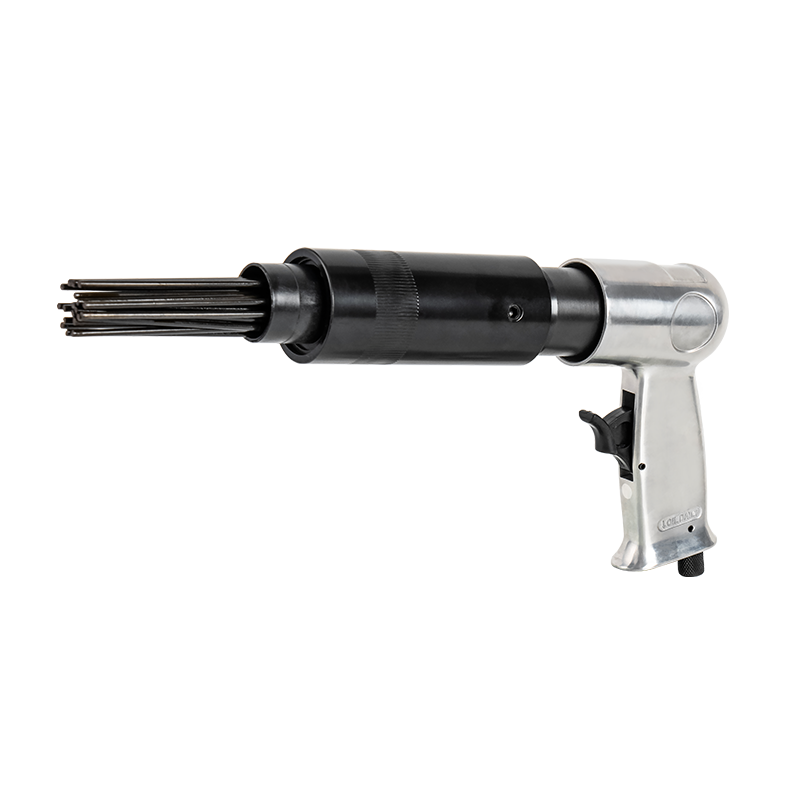
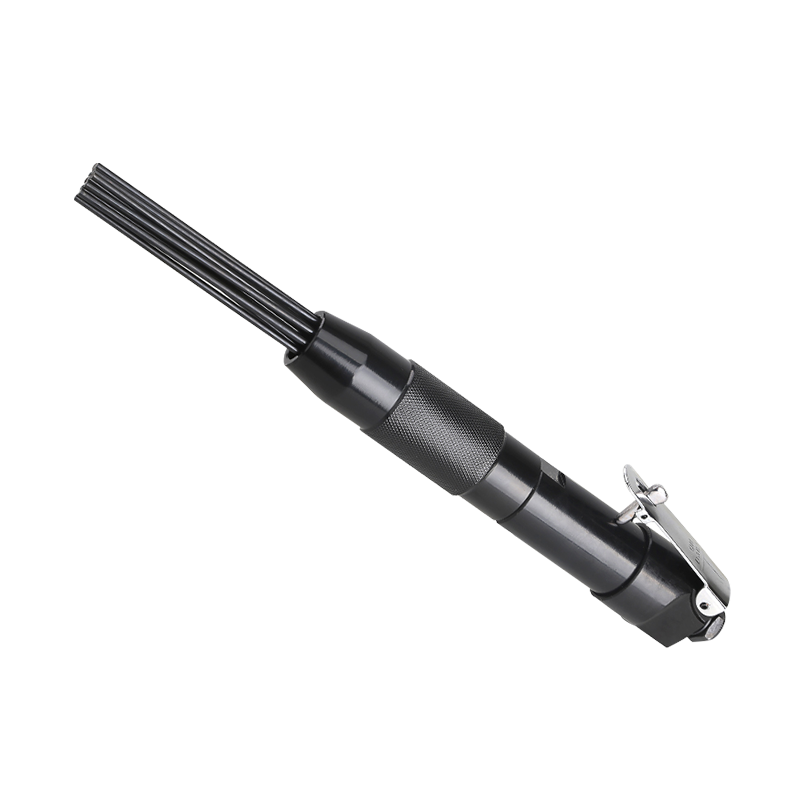
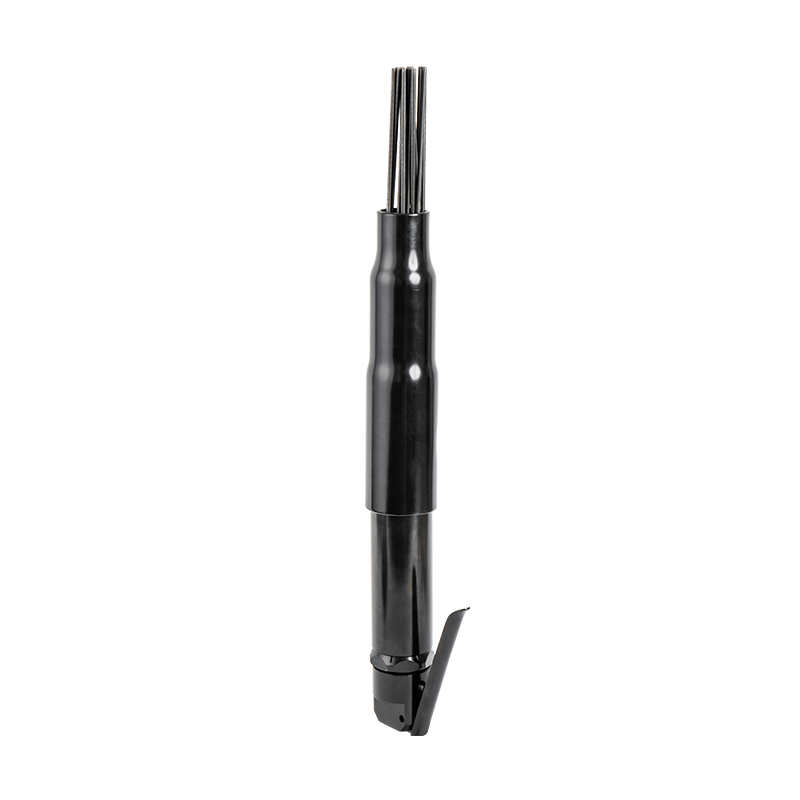
RH-464 pneumatische hoeknaalstaalschaal
-
RH-460 Mini compacte pneumatische luchtnaald scaler
-
RH-462 draagbare industriële rechte naald scaler
-
RH-7034C draagbare pneumatische afscheidingsmachine
-
RH-7034B Centrale pneumatische 4 "luchthoekmolen
-
RH-7034D 7 "handgehouden hoekmolen
-
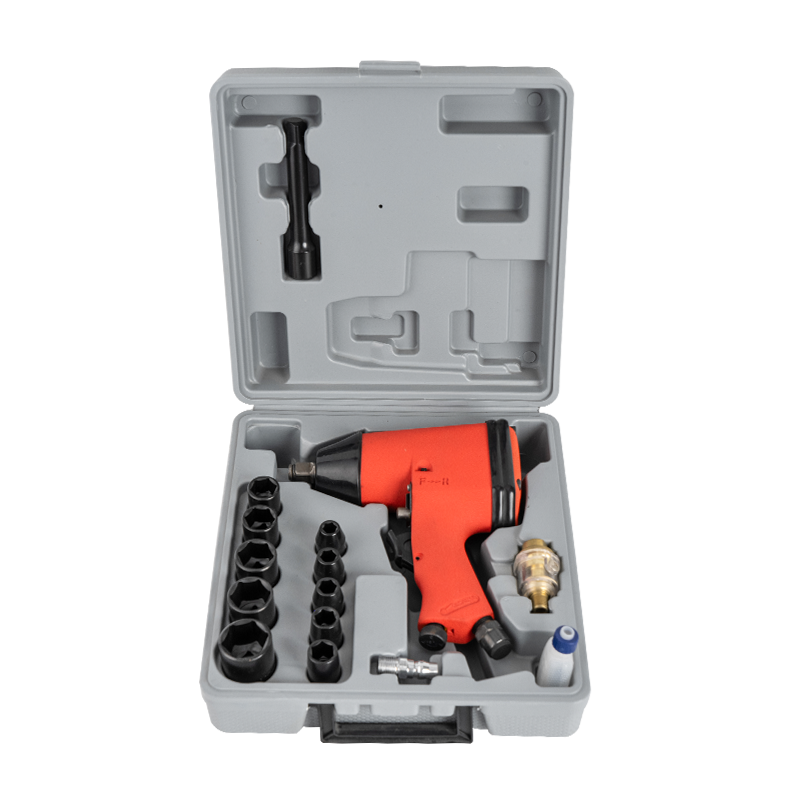
RH-160 1/2 "Drive Single Hammer Air Pneumatic Impact sleutel
-
RH-160K draadloze elektrische oplaadbare luchtimpact sleutelkit
-
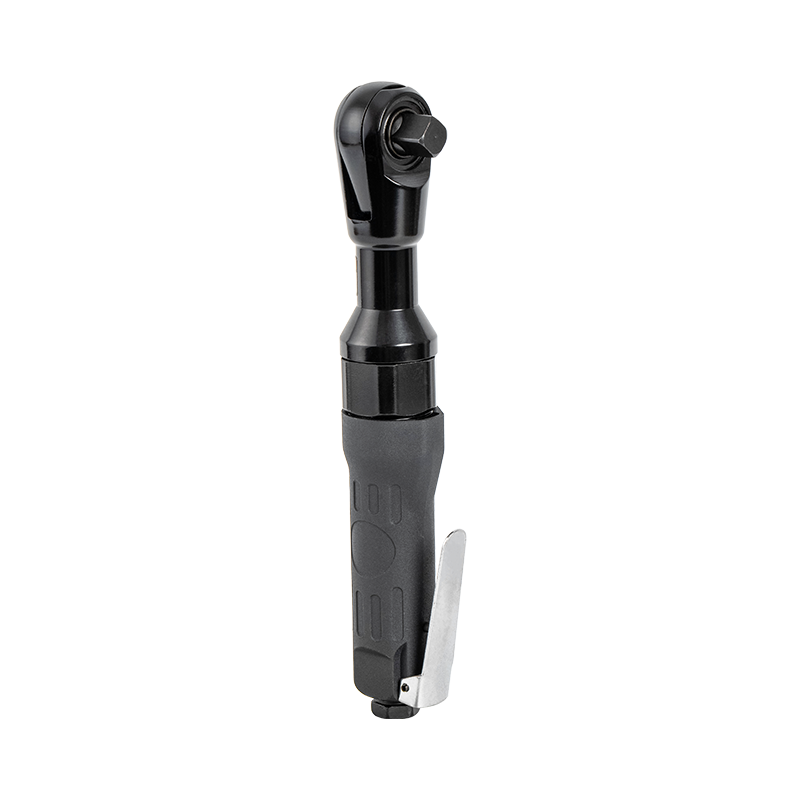
RH-112 1/2 "Universal Electric Ratchet Wrench Hand Tool
-
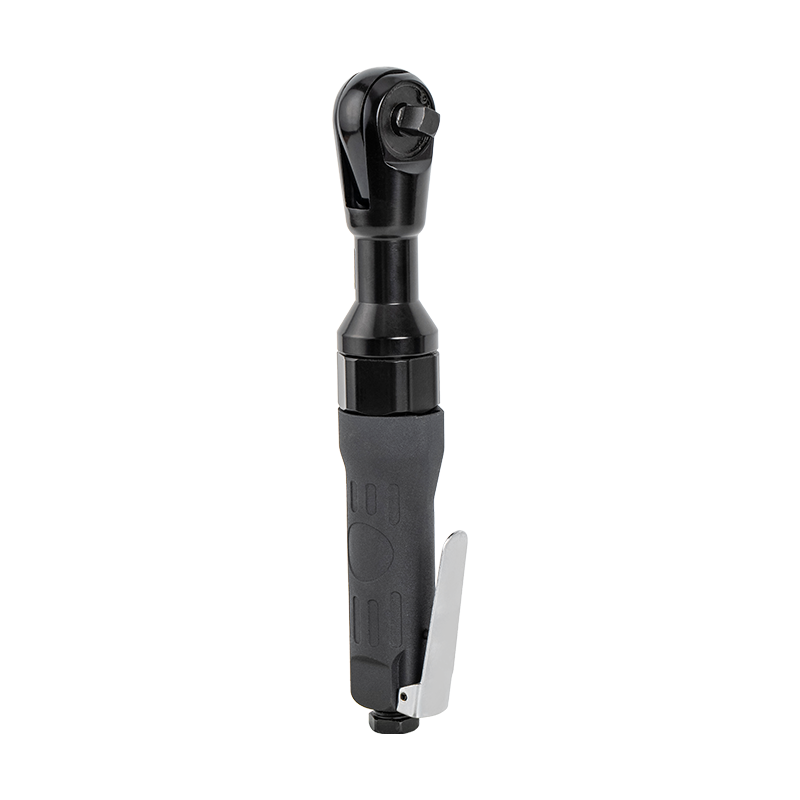
RH-128 1/2 "Hoog koppel elektrische ratelsleutel
-
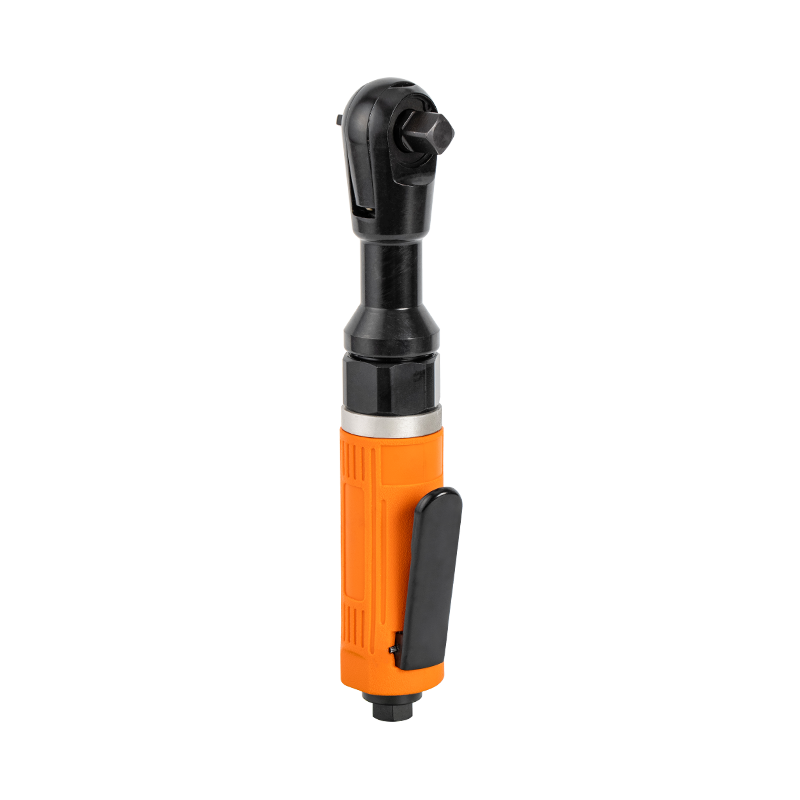
RH-138 3/8 "Lange kop draagbare draadloze elektrische ratelsleutel
-
RH-148 1/4 "elektrische batterijratelsleutel
Neem contact op met onze experts
En ontvang een gratis consult!
Ningbo Haishu Renhao Pneumatic Co., Ltd.
 Adres: Jiangbei District Ningbo City in de provincie Zhejiang door het Keli Industrial Parkl -gebouw 15e
 Telefoon: +86-139 0668 0779
 Tel: +86-139 0668 0779
 Fax: +86-139 0668 0779
 E-mail: [email protected]


